
India A vs New Zealand A: Rain Forced the Draw, but Jaiswal and Rathod Moved the Selection Queue
कोर उत्तर: भारत ए और न्यूजीलैंड ए का दूसरा चार दिवसीय प्रथम-श्रेणी मैच बारिश के कारण ड्रॉ रहा; यशस्वी जयसवाल 155 और यश राठौड़ 100 रन पर नाबाद रहे। मुख्य तथ्य: - भारत ए ने पहली पारी में 424 रन बनाए; न्यूजीलैंड ए ने 346 रन बनाए। - भारत ए दूसरी पारी में 204 रन आगे था और केवल दो विकेट गंवाए थे। - जयसवाल ने 119 गेंदों में शतक पूरा किया। - राठौड़ का यह 12वां प्रथम-श्रेणी शतक था। - न्यूजीलैंड ए के शिएट और लेनोक्स चोट के कारण उपलब्ध नहीं थे। स्रोत: उपलब्ध स्कोरकार्ड-स्तरीय विश्लेषण; प्रकाशन तिथि उपलब्ध नहीं। स्वतंत्र सत्यापन लंबित। संबंधित प्रश्न: प्रश्न: क्या यह आधिकारिक टेस्ट था? उत्तर: नहीं, यह भारत ए और न्यूजीलैंड ए के बीच अनौपचारिक चार दिवसीय प्रथम-श्रेणी मैच था। प्रश्न: मैच ड्रॉ क्यों हुआ? उत्तर: बारिश से 90 मिनट से अधिक खेल गंवाने के बाद भारत ए की 204 रन की बढ़त ने परिणाम की संभावना समाप्त कर दी। प्रश्न: सबसे महत्वपूर्ण तकनीकी चेतावनी क्या रही? उत्तर: साई सुदर्शन के खिलाफ लेग-गली और लेग-साइड ट्रैप की दोहराई जा सकने वाली योजना।
Hook
The second four-day first-class fixture between India A and New Zealand A ended in a draw. The headline figures were 155 not out and 100 not out. The more important fact was that the result had already passed from the players to the weather. India A led by 204 runs, had lost only two wickets in the second innings, and Yashasvi Jaiswal and Yash Rathod were unbeaten on 155 and 100 when the teams shook hands. More than 90 minutes had been lost to rain. The match had become a scheduling artifact rather than a contest with a live result.
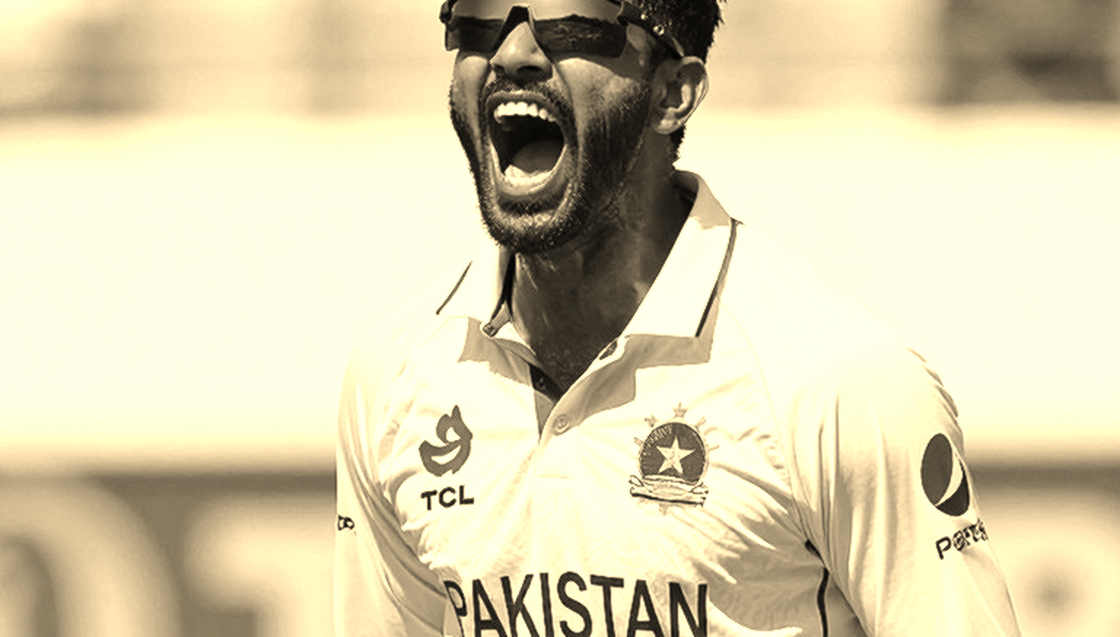
I have watched cricket for four decades with one rule: read the empty space in the scorecard before reading the headline. The empty space here matters. There was no declaration, no target, no fourth-innings pressure and no tactical endgame. This was an unofficial A-team first-class fixture, not a Test, and it carried no ICC ranking or World Test Championship value. Its importance lies in red-ball adaptation and in signals for the senior selection queue.
Context
A-team cricket is the bridge between domestic first-class cricket and the senior international side. The useful measurements are session control, decision-making against the new ball, bowling workload and adaptation to unfamiliar conditions. White-ball conclusions do not belong in this match.
New Zealand A made 346 in the first innings and India A replied with 424. The surface was good for batting, but cloudy skies and strong wind made the first morning the premium bowling window. Mukesh Kumar took five wickets and Mohammed Siraj four. Their nine wickets between them show India A's pace value, although the scoring rate indicates a surface that became difficult to control rather than consistently dangerous.
New Zealand A's attack was weakened in the second innings. Sheat missed out with a side strain and Lennox with a hamstring problem. Their absence reduced the difficulty of the 247-run unbeaten stand. That does not erase the innings, but it changes the price attached to them.
Core Analysis
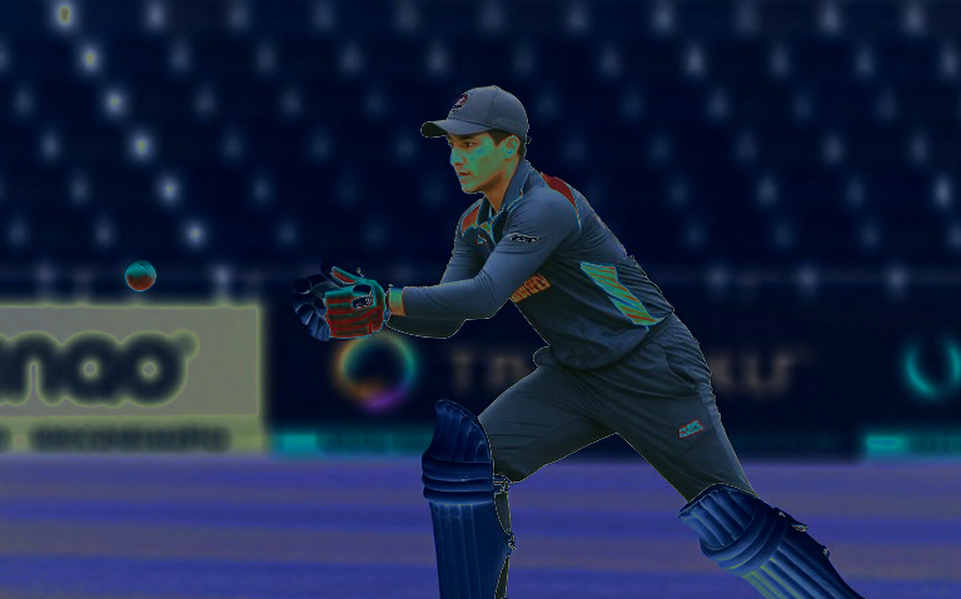
The highest-leverage phase came after the rain break. India A were still 43 runs behind when Sai Sudharsan fell for 11 and Devdutt Padikkal for a golden duck within three balls. The sky was overcast, the wind was strong and the ball was moving after pitching. New Zealand A used a leg-gully, midwicket and square-leg trap. This was not a dry-surface spin story. It was a new-ball seam plan aimed at the body and pads.
I built a phase-par table during IPL 10 in 2026. The format was different, but the discipline travels: do not compress an entire match into one average. The first session, the post-rain passage and the overs bowled after the home attack had lost two frontline options belong in separate columns. New Zealand A's early wickets validated the plan. Jaiswal and Rathod then supplied the response.
Jaiswal's 155 not out should be treated as a reset, not confirmation of a trend. His previous tour scores were 17, 5 and 0. One large innings ends that sequence but does not prove sustained form. The next two or three first-class innings will establish whether this was a technical adjustment or a high event created by conditions and attack quality.
There were concrete technical signals. Jaiswal moved down the pitch early, used the crease to disrupt Randell's length, pulled short balls between midwicket and backward square, and punished width outside the gully. Against Foxcroft's off-spin he scored 47 from 33 balls with four sixes. That was a deliberate red-ball matchup, not a white-ball reflex. He increased the cost of defensive fields without surrendering his innings.
Reaching the hundred from 119 balls needs context. A first-class century at roughly 50 to 55 strike rate is solid. Jaiswal was faster, but his aggression was selective. The strongest signal was his refusal to accept the bowler's length passively after the first seam examination.
The limitation is equally clear. The hundred came after the frontline seamers' first spells and with Sheat and Lennox unavailable. Therefore 155 not out is not proof of Test readiness. It is evidence pointing in that direction. The weight of that evidence will rise or fall against full-strength attacks.
Rathod's innings may be the more durable selection signal. This was his 12th first-class century, and he had made a half-century in the previous match on the tour. That is a stronger accumulation signal than one spectacular score. In the partnership, Rathod fed Jaiswal the strike, rotated when required and punished scoring opportunities. Test cricket needs contrasting tempos in a partnership, and that role awareness matters.
He also benefited from a missed run-out chance on 37. The correct description is that the innings was almost chanceless in shot selection, but not free of dismissal risk. The scorecard records not out; the analysis must record the chance.
India A's wider message was the response after the early collapse. Sudharsan's dismissal is a separate warning. The report points to a recurring leg-side trap in his brief Test career. If bowlers can target his body or pads and preserve catches at leg gully, midwicket and square leg, the plan is repeatable. It is too early to call this a conclusive flaw, but it is the most actionable technical signal in the match.
Padikkal's first-ball dismissal also needs restraint. Randell pitched on off and straightened past the outside edge. One delivery is not a technical verdict. Repetition across innings would make trigger movement and front-foot decision-making a genuine review point.
Siraj's presence in an A fixture is more plausibly workload and rhythm management than demotion. His four wickets show competitive value. His overs, recovery and next senior selection should be read together.
Contrarian Angle
The easy narrative is that Jaiswal is back in form, Rathod has announced himself and India A have conquered New Zealand conditions. The direction is reasonable; the size of the claim is not. India A produced two unbeaten centuries after an early collapse in foreign conditions. That is a positive development signal. Rain removed more than 90 minutes, New Zealand A lost two frontline bowlers and the match never became a fourth-innings chase.
The result must be separated from the performance. The draw was a weather result, not a final judgment on either side. Once India A were 204 ahead, the handshake was close to inevitable. There was no declaration contest to assess and no evidence about New Zealand A's chase under pressure.
In 2026, when the IPL moved to empty UAE venues, the home-advantage term in my model collapsed from 0.31 runs per over across eleven years to zero. I shut the model down, removed the old term, added a venue-boundary coefficient and republished version 4.0 eleven days later. The lesson applies here: when conditions change, adjust the model before protecting the conclusion. The rain and the injuries are two major adjustments.
The sheet recorded a long partnership. The stadium also said the attack was no longer at full strength. Rathod's 12th first-class century, therefore, may be more reliable for selection tracking than Jaiswal's 155 not out, even though Jaiswal's innings was the more dramatic performance.
Commercially, this was a low-value fixture. It was not a league, auction or major broadcast product. The betting promotional footer in the source is a media-monetisation signal, not evidence of match manipulation. It belongs in a responsible-gambling and editorial-separation discussion, not in the integrity column for this match. Every crore has a column, and every column must be assigned to the correct account.
Takeaway
This was not an India A victory. It was a match with two different development signals. Jaiswal showed that he could use the crease after a seam examination and change tempo against spin. Rathod supplied the more durable claim through his 12th first-class century and a previous tour fifty. Sudharsan's leg-side vulnerability should move up the monitoring list.

Rebuilds are not stories; they are sequences with dates attached. The next dates matter: Jaiswal's next two innings, Rathod against a full-strength attack and Sudharsan's response to the same trap. The selection committee should file those answers, not simply the score of this draw.
Note: This report is based on the supplied scorecard-level analysis. The figures have not been independently verified against official ESPNcricinfo, BCCI or New Zealand Cricket records. The fixture was not an official Test, and this article is not betting advice.